
Imagine this: You’re in a hospital waiting room with a loved one who has just been rushed in for emergency care. The doctors are asking critical questions, but your loved one doesn’t speak English fluently. Without a translator available, they struggle to communicate their symptoms, medical history, and urgent needs. A delay in understanding could mean the difference between proper treatment and a medical mistake.
What would you do?
Now, imagine this on a larger scale. A country where language barriers stop people from accessing healthcare, limit job opportunities, weaken national security, and prevent businesses from expanding globally. This is the kind of challenge we could face if language education is not prioritized in our schools and policies.
Why Should You Care About Language Education?
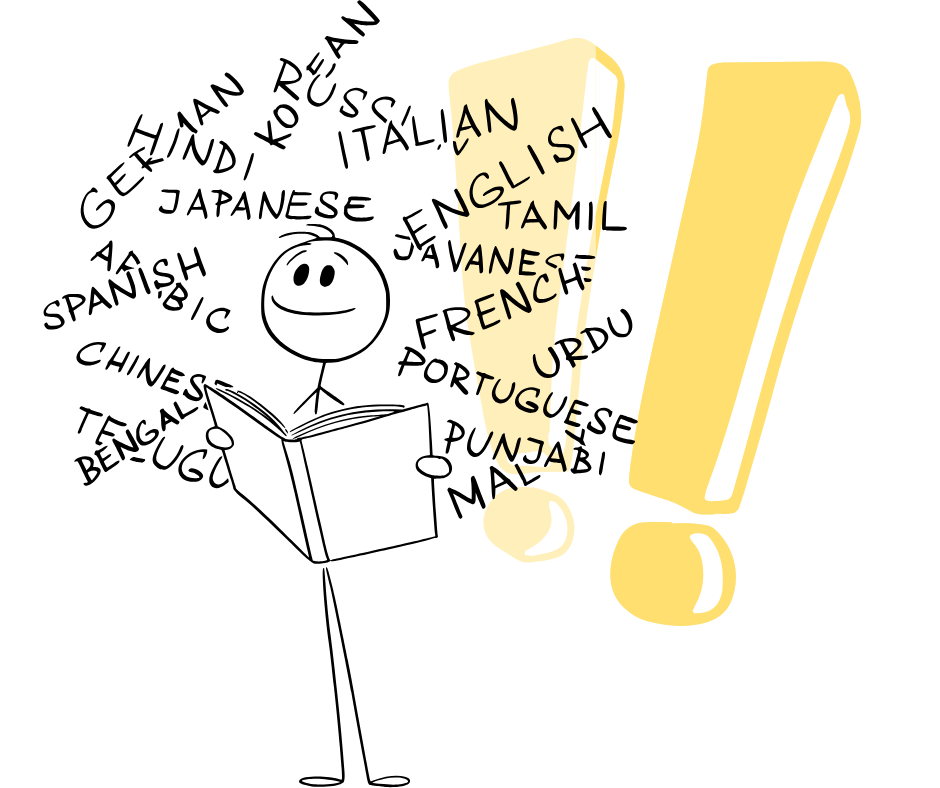
Many people think of learning another language as a “nice-to-have” skill, but in reality, it’s an essential part of how our country functions. Language education isn’t just about teaching kids to say a few phrases in another language—it shapes our workforce, strengthens our national security, and helps us engage with the rest of the world.
1. Our Economy Depends on Multilingualism
- Trade & Business Growth: The U.S. trades with countries all over the world, and businesses need employees who can speak multiple languages to negotiate deals and expand markets.
- Job Opportunities: Many industries—like healthcare, customer service, and global technology—rely on bilingual employees. If language education is neglected, companies may struggle to fill critical roles.
- Tourism & Hospitality: Tourists bring billions into the U.S. economy. Without multilingual staff, cities and businesses lose out on major revenue.
2. Language Skills Strengthen National Security
- Government & Military Needs: Agencies like the CIA, FBI, and military rely on people who speak languages like Arabic, Mandarin, and Russian to gather intelligence and maintain security.
- Diplomacy & Foreign Relations: The U.S. must communicate with leaders around the world. Without language education, misunderstandings and weakened relationships could harm our international standing.
3. Education & Cultural Connection Matter
- Language Learning Improves Cognitive Skills: Students who learn other languages perform better in school, develop better problem-solving skills, and even score higher on standardized tests.
- Cultural Awareness & Inclusion: The U.S. is home to diverse cultures and languages. Knowing more than one language helps create stronger, more connected communities.
The Language Education Crisis: What’s Happening Right Now
Despite all the benefits, language education in the U.S. is facing challenges. Federal funding for language education programs has faced uncertainty in recent years. If drastic cuts were to occur, it could result in the loss of key programs that support bilingual education and global language learning in U.S. schools and universities.
Some key programs that could be at risk include:
- Title III Grants (OELA): Supports English learners and bilingual education programs. (Source)
- Title VI Grants (Higher Education Act): Funds international studies and language learning in universities. (Source)
- The Fulbright-Hays Program: Provides opportunities for cultural and language immersion for students and educators. (Source)
- National Security Education Program (NSEP): Trains students in critical languages for careers in national security and diplomacy. (Source)
- The Foreign Language Assistance Program (FLAP): Helps K-12 schools establish and maintain language programs.
- The Native American and Alaska Native Children in School Program: Supports indigenous language education and preservation. (Source)
If these programs disappear, the U.S. could fall behind in global communication, trade, security, and workforce development.
What Can We Do About It?
If you’re concerned about potential cuts to language education, here are ways you can take action to voice your support:

- Send a Letter to Congress: Use the easy template provided by JNCL-NCLIS to contact your representatives. Take Action Here
- Spread the Word: Share this issue on social media, tell your friends, and talk about why language education matters.
- Support Pro-Language Policies: Pay attention to education policy changes and vote for leaders who support language learning programs.
- Encourage Business & Community Engagement: Companies, schools, and local governments need to invest in multilingual initiatives to ensure a stronger workforce and economy.
Why This Matters to You
A future without language education means a weaker economy, a less secure nation, and fewer opportunities for students and professionals. Language isn’t just about communication—it’s about opportunity, security, and success.
As a citizen of the U.S., I strongly believe that language education is critical for our country’s future. This blog reflects my opinion on why multilingual education must be prioritized and protected.
Now is the time to advocate for strong language education policies that support our economy, national security, and workforce development.
Your voice matters—take action today!
 whatsthis.life